
🌱 Introduction
Organic gardening tips it is a natural and healthy way to grow plants without using harmful chemicals or synthetic fertilizers. It focuses on using natural methods to improve soil fertility, protect plants, and support long-term growth. In a city like Hyderabad, where weather conditions can be harsh, organic gardening helps maintain a balanced and sustainable environment for your plants.
Many people are now choosing organic gardening not only for better plant growth but also for their health and safety. Whether you are growing vegetables, fruits, or flowers, organic methods ensure that your garden remains safe, eco-friendly, and full of life.
🌿 What is Organic Gardening?
Organic gardening is all about working with nature instead of against it. It involves using natural compost, organic fertilizers, and eco-friendly pest control methods. The goal is to create a healthy soil environment where plants can grow strong without depending on chemicals.
This method not only improves plant quality but also helps maintain soil health for a longer period. Over time, your garden becomes more productive and easier to maintain.
🌼 Benefits of Organic Gardening
- Plants grow naturally and stay healthier
- No harmful chemicals in vegetables and fruits
- Improves soil fertility and structure
- Safe for children and pets
- Environment-friendly and sustainable
🌱 Organic Gardening Tips for Healthy Plants
🌿 Use Natural Compost:
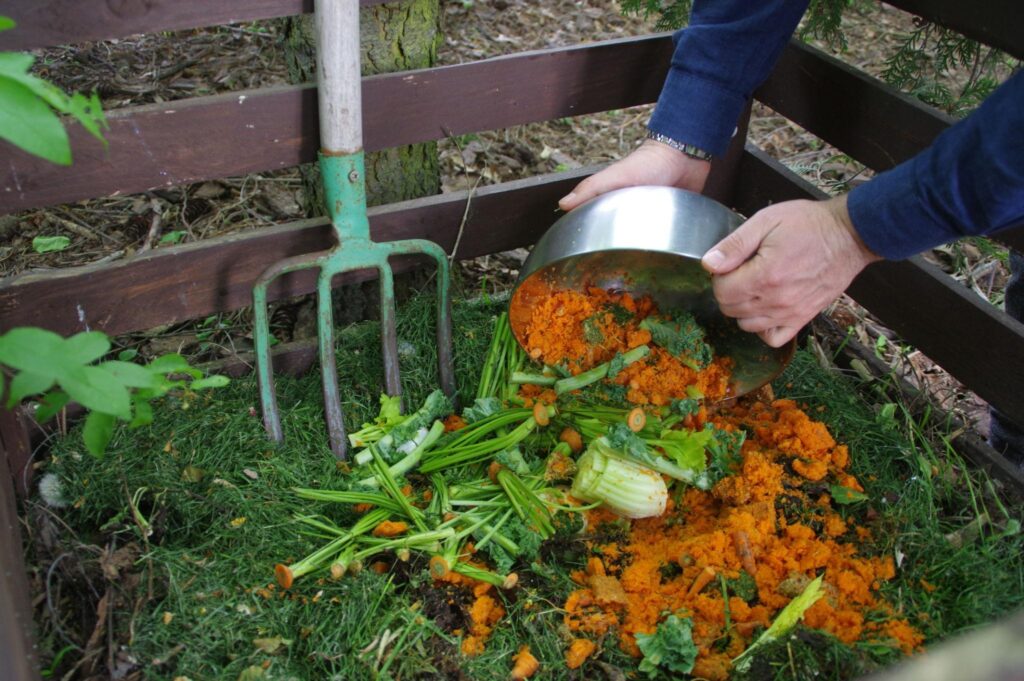
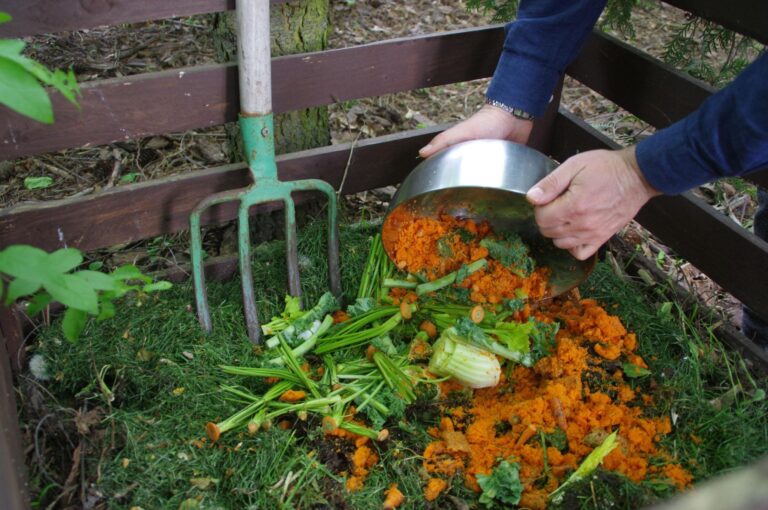
One of the best ways to improve plant growth is by using compost made from kitchen waste like vegetable peels, fruit scraps, and dry leaves. Compost adds essential nutrients to the soil and improves its texture. It also helps retain moisture, which is important during hot weather.
🌱 Choose Organic Fertilizers
Instead of chemical fertilizers, use natural options like cow dung manure, vermicompost, or plant-based fertilizers. These provide slow and steady nutrients to plants without damaging the soil.
🐛 Natural Pest Control
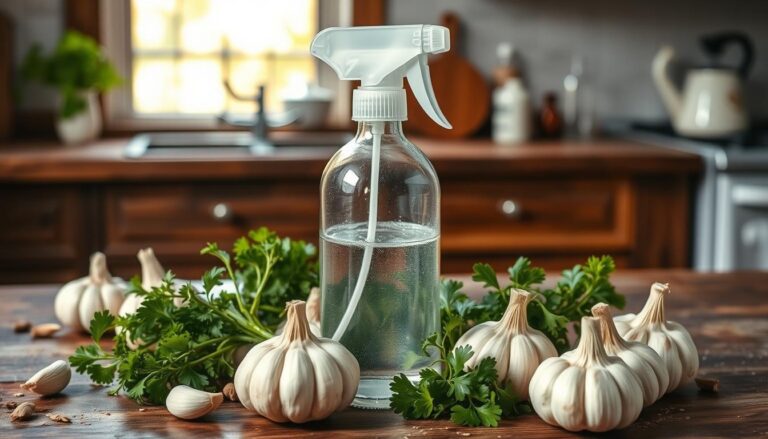
Pests are a common problem in any garden, but they can be managed without using harmful chemicals. Natural pest control methods are safer for plants, people, and the environment. One simple method is using neem oil spray, which helps control many common insects. You can also remove affected leaves or wash plants gently with water to reduce pest buildup. Encouraging beneficial insects, such as ladybugs, can also help keep harmful pests under control. Regularly checking your plants makes it easier to catch problems early before they spread.
💧 Proper Watering Practices
Watering is one of the most important parts of gardening, but it is also where many people make mistakes. Giving too much water can damage the roots and lead to problems like root rot, while too little water can cause plants to dry out and stop growing. The best approach is to check the soil before watering. If the top layer feels dry, then it is time to water. It is also better to water plants early in the morning or in the evening, as this helps reduce water loss due to heat. Using pots with good drainage is equally important so that excess water can flow out easily and roots can stay healthy.
🌞 Ensure Proper Sunlight
Sunlight plays a key role in plant growth, as it helps in the process of making food for the plant. Without enough sunlight, plants may become weak, grow slowly, or develop pale leaves. Most plants need at least a few hours of direct or indirect sunlight every day. It is important to understand the light requirements of each plant and place them accordingly. For example, some plants grow well in full sunlight, while others prefer partial shade. Observing how sunlight moves across your space during the day can help you choose the right spot for your plants.
🌾 Maintain Healthy Soil
Healthy soil is the foundation of a successful garden. Good soil provides the necessary nutrients, supports root growth, and helps retain the right amount of moisture. Over time, soil can lose its nutrients, especially if plants are grown continuously in the same place. Adding organic compost, natural manure, or other organic matter can improve soil quality and keep it rich and fertile. It is also helpful to loosen the soil occasionally to allow better air circulation, which supports stronger root development.
🌿 Practice Crop Rotation
If you are growing vegetables, avoid planting the same crop in the same place repeatedly. Changing crops helps maintain soil fertility and reduces the risk of diseases.
🍂 Use Mulching
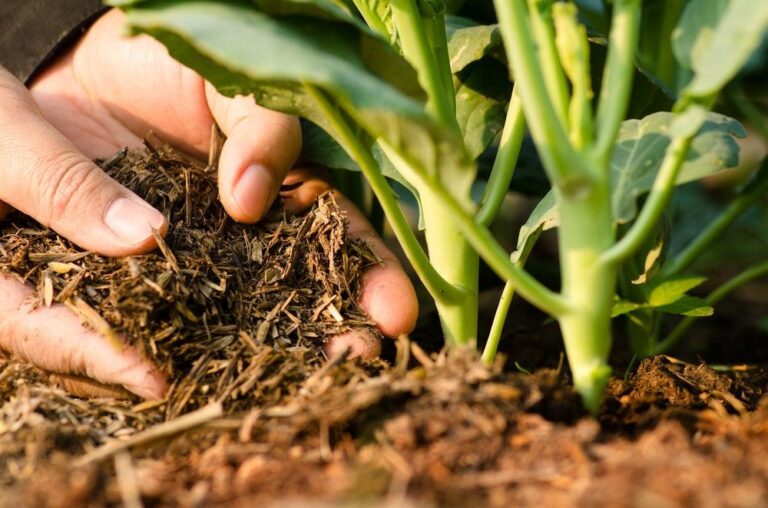
Mulching is a simple but very effective way to protect your plants and improve soil health. It involves covering the top layer of soil with materials like dry leaves, straw, or grass. This layer helps retain moisture in the soil, which is especially useful during hot weather. It also reduces the growth of weeds and keeps the soil temperature stable. Over time, organic mulch breaks down and adds nutrients back into the soil, making it even more beneficial for plant growth.
🌿 Common Mistakes to Avoid
- Using chemical fertilizers in an organic garden
- Overwatering plants
- Ignoring soil quality
- Not checking plants for pests regularly
- Planting without proper sunlight
🌱 Conclusion
Organic gardening is a simple and effective way to grow healthy plants while protecting the environment. With natural methods and regular care, you can create a garden that is not only beautiful but also safe and sustainable.
If you need expert support, gardening services in Hyderabad can help you set up and maintain an organic garden with the right techniques. Creating a healthy garden naturally is always a better choice for you and your surroundings 🌿